

The Allure of Risk and Reward
Casino gambling thrives on the fundamental human attraction to risk and reward. The thrill of potentially winning a significant sum of money can create a powerful emotional response. Gamblers are often drawn in by the possibility of hitting a jackpot, which can lead to feelings of excitement and euphoria. This emotional roller coaster is not just about money; it taps into deeper psychological needs for adventure and unpredictability, making the best crypto casino an enticing option for many enthusiasts.
This desire for risk can also be tied to the concepts of loss aversion and the gambling fallacy. Players may continue to gamble despite losses, driven by the hope that their fortunes will turn. The anticipation of winning often overshadows the likelihood of losing, encouraging players to return to the casino in hopes of a change in luck.
The Role of Social Interaction
Another significant factor that attracts players to casinos is the social atmosphere. Gambling is often seen as a communal activity, where players can share experiences, celebrate wins, and commiserate over losses. The interaction with others can enhance the overall enjoyment of the experience, making it more than just about the game itself.
This social dimension can create a sense of belonging among players, fostering friendships and camaraderie. For many, the casino becomes a social hub where they can connect with like-minded individuals, reinforcing their commitment to return for both the games and the social interaction.
The Influence of Environment and Design
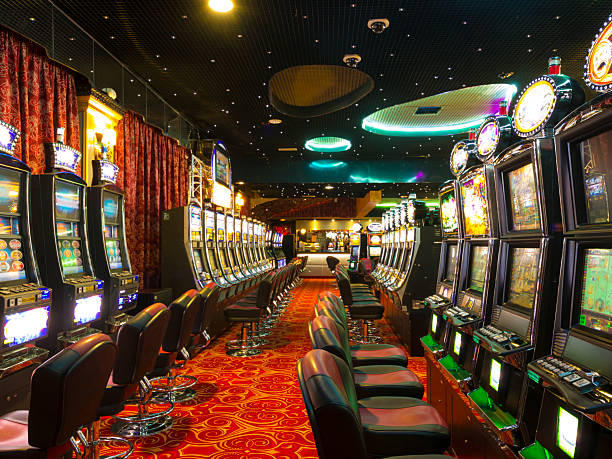
Casinos are meticulously designed to create an immersive experience that keeps players engaged. The use of bright lights, enticing sounds, and eye-catching decor all play a role in creating an atmosphere conducive to gambling. This sensory stimulation can lead to a psychological state known as “flow,” where players become completely absorbed in the activities around them.
The strategic layout of casinos also contributes to a prolonged stay. By creating a maze-like environment that encourages exploration, players are often unaware of the time spent and the potential financial costs. The design elements are specifically aimed at making players feel comfortable and entertained, reinforcing their decision to return.
The Psychological Need for Control
Many players believe they can influence the outcome of the games they play. This illusion of control can be a powerful motivator, leading individuals to gamble in the hope of leveraging their skills or strategies to win. Whether it’s through poker or other skill-based games, players often feel empowered by their belief that they can predict or shape the outcome.
This psychological need can lead to a cycle of gambling behavior, as even a small win reinforces the belief that the player has control over their success. This mindset can keep players coming back, as they seek to replicate previous successes or improve their skills over time.
Understanding Player Behavior Online
The rise of online casinos has brought new dynamics to gambling psychology. Players can now experience the thrill of gambling from the comfort of their homes, leading to an increase in participation rates. The anonymity and convenience of online gambling attract a diverse audience, offering a unique platform for individuals to engage in gaming activities.
Websites that facilitate online gambling often incorporate similar psychological strategies as physical casinos, utilizing engaging designs and interactive features to maintain user interest. Understanding player behavior online is vital for creating compelling experiences that keep them returning, as digital environments can leverage constant engagement tactics to foster a loyal user base.